Most travelers to Italy dream of standing before the Colosseum or wandering Pompeii’s ancient streets, yet few realize that the country’s archaeological richness stretches far beyond those famous sites. With a bit of planning, you can explore Roman amphitheaters older than the Parthenon’s shadows or Etruscan tombs surrounded by vineyards, all without joining a tour bus queue. Having spent years living between Lazio and Puglia, I’ve learned that solitude among ruins is not only possible—it’s one of Italy’s great luxuries.
Go to the section
ToggleSeek Out Italy’s Under-the-Radar Roman Sites Beyond Rome
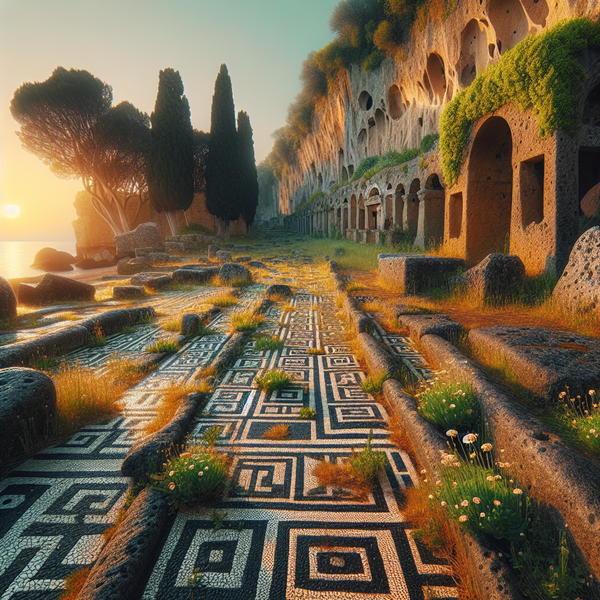
Rome overwhelms first-time visitors, but a short train ride introduces you to equally impressive ruins with a fraction of the traffic. Ostia Antica, just 30 minutes by local rail from Piramide station, offers a miniature version of Pompeii by the sea. You can stroll mosaic-lined streets where bakers’ ovens and taverns remain intact, often accompanied only by chirping cicadas. The site opens at 8:30 a.m., and arriving within the first hour guarantees serenity even in summer.
Further north, Falerii Novi near Civita Castellana hides behind a ring of ancient walls rarely disturbed by anyone except grazing sheep. The visible remains of the Roman forum rise beside a 12th-century church—a surreal layering of time that brings home Italy’s concept of ‘continuity.’ Bring good shoes; there’s no onsite pavement, and the high grass hides low stones perfect for a picnic perch.
Timing Strategies: Beating the Crowds Without Beating the Fun
Timing matters almost as much as location when chasing quiet experiences among ruins. In southern Italy’s Paestum—three enormous Greek temples older than the Acropolis—most tour buses leave around 4 p.m. Visiting just before sunset transforms the complex into a golden expanse of Doric columns with almost no one around. The ticket office stays open until 6:45 p.m., giving you time for an unhurried walk, followed by dinner nearby where buffalo mozzarella is delivered still warm from local dairies.
At Pompeii, solitude is surprisingly possible if you enter not through Porta Marina (the main gate) but via Piazza Anfiteatro. From there, start with the amphitheater and work backward against the tourist flow. You’ll explore the quieter backstreets like Via dell’Abbondanza mid-morning while most groups still linger near the villas on the opposite side.
Regional Gems: Archaeological Italy Off the Classic Circuit
If you’ve already visited Naples or Rome, Italy’s true archaeological secret lies in its regions. In Puglia, the Roman site of Egnazia sits ten minutes off the coastal road linking Bari and Brindisi. The ruins overlook the Adriatic, where trade ships once anchored before crossing to Greece. Arrive right when the gates open (8:30 a.m.) and you’ll often share the ancient streets with a single curator, who may unlock the small museum early upon request.
Heading north, Aquileia in Friuli-Venezia Giulia contains some of the most intact Roman mosaics in Europe—remarkably, they’re inside a still-functioning basilica on the main square. Because it’s so far from the standard itinerary, even peak weekends feel tranquil. Combine your visit with a cycle along the nearby Alpe Adria Trail to the lagoon of Grado, following the same route once used by Roman traders transporting amber to Venice’s ancestors.
Etruscan Heritage: Exploring Ancient Italy Before Rome
Long before Caesar or Augustus, the Etruscans shaped central Italy’s art, architecture, and city planning. Their necropolises reveal not gloom but a vivid sense of daily life. In Tarquinia, reachable in 90 minutes from Rome by car or regional train, you can descend into tombs painted with banquets, dancers, and musicians. At 9 a.m., the museum opens with key sets hanging in the lobby; tell the staff which tombs you’d like to visit and they’ll unlock them personally.
For an even quieter encounter, drive twenty minutes to Cerveteri’s Banditaccia Necropolis. Paths wind between mound-shaped tombs carved directly from tuff rock. The air smells of wild thyme, and you might not meet another visitor for an hour. Bring a flashlight to illuminate the carved benches inside—many imitate home interiors complete with ‘beds’ for the deceased, offering an intimate window into pre-Roman domestic life.
The Islands’ Edge: Ruins with Sea Breezes and Solitude
Italy’s islands offer archaeological sites where even in August you can hear only wind and waves. On Sardinia, skip the beaches for a morning at the Nuraghe di Santu Antine near Torralba. This Bronze Age tower pre-dates Rome by more than a millennium, and because it’s inland, tour buses rarely stop. Climb its inner spiral staircase and you’ll likely find yourself completely alone, wrapped by volcanic stones older than any column in the Forum.
Sicily’s Morgantina, between Enna and Catania, combines Greek and Roman ruins in a remote valley. Public buses don’t reach it—rent a car or hire a local driver from nearby Aidone. The theatre’s sweeping view across olive groves rewards those who make the journey, and the small museum houses the celebrated statue of Demeter, returned here after decades abroad.
Off-Season Secrets: Using Italy’s Calendar to Your Advantage
Italian archaeology follows predictable tourist tides. Peak crowds flock between Easter and mid-October, but off-season travel reveals a quieter rhythm. Visiting coastal ruins like Herculaneum or Velia in late autumn means mild weather ideal for exploring open-air complexes. Many local B&Bs remain open year-round, offering discounted rates once schools reopen. In Lazio’s hill towns, ticket offices rarely see foreign faces after November, and caretakers sometimes offer private guided walks simply out of enthusiasm.
Alternatively, plan around lunchtime—a uniquely Italian loophole. Most groups dine between 1 and 2:30 p.m.; use that window to tour sites like the Villa Adriana in Tivoli or Sicily’s Valley of the Temples. You’ll capture photos glowing under the high sun without a coach in sight, then enjoy a late pranzo when restaurants reopen around 3 p.m.
Practical Tips for Respectful and Rewarding Visits
To keep these quiet places pristine, follow simple etiquette. Avoid stepping or sitting on stones unless they’re clearly designated seating areas, and never remove small fragments no matter how tempting. Bring a refillable water bottle—many sites such as Paestum and Ostia have functioning fontanella taps. A small flashlight and sun hat go further than high-tech gear since many ruins lack shade and signage.
Plan for transport: rural sites may require car hire. Italian trains serve major centers, but buses can be infrequent, particularly in regions like Molise or Basilicata. Always check the local comune or archaeological park website for updated hours, as seasonal changes occur without much notice. GPS may misread ancient paths; it’s wise to download offline maps ahead of time.
When Solitude Enhances the Story
Traveling through Italy’s archaeological sites without crowds isn’t about ticking obscure boxes—it’s about restoring human scale to history. Standing alone at Aquileia’s Roman port or inside a quiet Etruscan tomb, you realize these places weren’t built for spectators but for living, breathing communities. Give yourself time to linger, listen to starlings echo against ancient walls, and imagine conversations in languages long gone. That stillness is Italy’s rarest treasure, and it rewards the traveler who plans with purpose rather than speed.