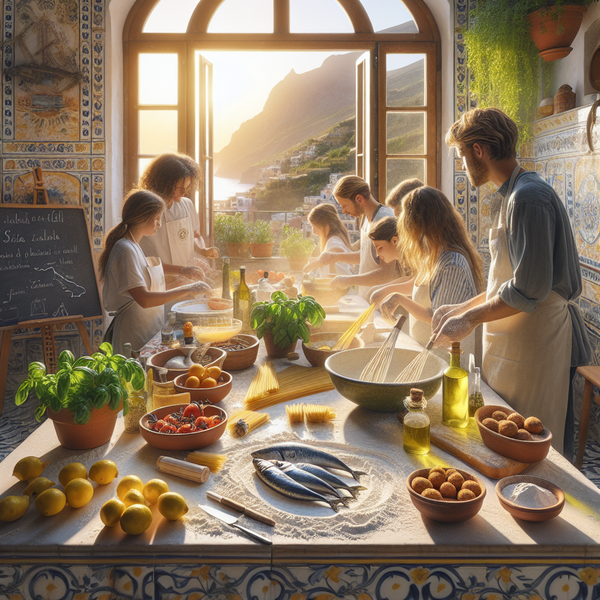
There’s something transformative about learning to cook in Sicily: the air tinged with sea salt, the scent of wild oregano, and the buzz of open markets piled high with eggplants the size of your hand. Here, learning Italian cooking isn’t just about recipes—it’s an education in heritage, community, and rhythm. The island’s cooking schools, tucked inside aristocratic palazzi or perched on sun-bleached hillsides, blend an ancient food culture with hands-on, market-to-table instruction. Whether you’re after a week-long culinary retreat or a single afternoon with a Sicilian nonna, Sicily offers some of Italy’s most immersive cooking experiences.
Go to the section
ToggleCooking Classes in Palermo: Street Food to Slow Food Mastery
Palermo is Sicily’s culinary capital, where the scent of frying chickpea fritters competes with wood smoke from morning bread ovens. One of the most praised experiences is at Cooking with the Duchess, held inside the 13th-century Palazzo Lanza Tomasi on Via Butera. Participants join Duchess Nicoletta Polo for a morning market tour through Capo or Ballarò markets—where she explains the difference between local cheeses like caciocavallo and primo sale—followed by a private cooking session in her family’s kitchen. It’s elegant yet very personal, capped with lunch served under vaulted ceilings.
For a humbler but equally rewarding option, Sicily Street Food Tours & Cook near Teatro Massimo offers a cooking class focused entirely on Palermo’s legendary street foods: arancine, panelle, and sfincione. The small group size (usually under eight participants) means you get meaningful hands-on time and plenty of local commentary about food traditions during the wars and festivals.
If you’re traveling with kids or prefer a shorter class, Duomo School of Cooking near Piazza Marina organizes two-hour Palermo bites sessions focusing on pasta alla Norma or cannoli shells with ricotta filling you whip yourself using locally sourced sheep milk.
Cefalù and the North Coast: Coastal Cooking with a View
Just an hour east of Palermo, Cefalù is known for its Norman cathedral and turquoise bay—but the town also hosts some of Sicily’s most scenic cooking experiences. Cook the Mediterranean, located in a restored stone farmhouse above the coastline, offers intimate full-day workshops (maximum six people). You’ll pick vegetables from an organic garden, learn the balance of acidity in Sicilian caponata, and lunch on the terrace overseeing the Tyrrhenian Sea. Each class ends with a printed recipe booklet in both English and Italian, perfect to re-create dishes at home.
Nearby, Tamara’s Cucina Siciliana in Lascari emphasizes seafood-based dishes: grilled swordfish with mint-scented salsa verde, squid stuffed with breadcrumbs and raisins, and a hands-on session cleaning fresh anchovies—an authentic insight into family-run coastal cuisine. Classes can be arranged seasonally around the fishing calendar, so booking in spring or early autumn ensures the best ingredients.
Mount Etna Region: Cooking with Fire and Volcano Soil
No part of Sicily defines terroir more vividly than the slopes of Mount Etna. The volcanic soil yields bold wines, lemons as big as fists, and herbs that taste like sun and smoke. Anna Tasca Lanza Cooking School, located in Regaleali, about two hours inland from Catania, is one of Sicily’s most established institutions. The week-long immersive course includes bread-baking with ancient grains, ricotta-making from local shepherds’ milk, and meticulous pasta shaping by hand. Meals are paired with Tasca d’Almerita wines, giving a solid foundation in the farm-to-table ethos.
Closer to the coast, Picciolo Etna Cooking Experience near Linguaglossa combines vineyard tours with cooking lessons in a glass-walled kitchen overlooking the volcanic vineyards of Etna DOC. Their signature dish, pasta ‘ncaciata baked in lava stone pots, lets guests literally cook on heat conducted by the volcano’s rocks. Classes usually include pick-up from Catania or Taormina, making it accessible for those without a car.
Find all the best hotel deals on Booking.com
Cooking Classes in Modica and the Southeast Baroque Towns
South of Syracuse, the baroque towns of Noto, Ragusa, and Modica blend architectural beauty with rich culinary traditions. Chocolate fans should head straight to Casa Ciomod in Modica, a boutique guesthouse with daily workshops on the town’s signature cold-processed chocolate and savory-sweet combinations. The class usually starts with visiting the Antica Dolceria Bonajuto for context, then moves to Ciomod’s test kitchen to prepare savory chocolate sauces for rabbit or pork. It’s ideal if you want something beyond pasta.
In nearby Ragusa, Locanda Don Serafino—a Michelin-starred restaurant built into a cliff—offers half-day cooking lessons with Chef Vincenzo Candiano. You’ll practice delicate pasta fillings like ricotta and lemon zest ravioli, paired with wines from the Ibla countryside. The experience includes a short guided walk through Ragusa Ibla’s maze of steps, explaining how topography influenced local pantry choices (lots of cured meats, for longevity, and semi-dried tomatoes for flavor concentration).
Farther east, Kitchen Studio Noto organizes compact half-day courses focusing on traditional Sicilian fish markets and modern plating techniques. The class size is capped at four participants, making it especially popular with couples and serious amateurs.
Discover the best local experiences on GetYourGuide
Agriturismo and Farm-Based Sicilian Cooking Experiences
One of the best ways to learn Italian cooking in Sicily is to stay at an agriturismo, where accommodation, gardens, and classes blend seamlessly. Near Sciacca on the south coast, Verdura Organic Farm runs a three-day ‘Sicilian Pantry’ program focused on home preservation: converting sun-dried tomatoes into sauces, canning artichokes, and infusing olive oil with local citrus. The program includes sunrise harvesting followed by cooking sessions with Nonna Lucia, who teaches the art of preserving color and texture in vegetables through olive oil immersion.
Another respected option is Case Vecchie near Vallelunga Pratameno. It’s deeply rural—expect gravel farm roads and morning goat bells—but arguably the most authentic way to understand Sicilian produce. Many professional chefs attend their advanced workshops, but beginners are welcome too. Ingredients are entirely from the estate or neighboring farms, ensuring students get first-hand experience with truly local sourcing.
For those seeking a shorter stay, Agriturismo Baglio Occhipinti in Vittoria (Ragusa province) offers two-hour pasta classes alongside wine tastings. Dishes often include cavatelli con sarde or orange-scented almond biscuits, staples of southern Sicilian home kitchens.
Taormina and the Eastern Riviera: From Market Visits to Michelin Techniques
Perched above the Ionian Sea, Taormina blends glamour with tradition, making it perfect for travelers who want refined surroundings without losing touch with Sicily’s roots. TaoCooking School, located just off Corso Umberto, begins each session with a guided market walk through Via Di Giovanni. You’ll shop for ricotta salata, pistachios from Bronte, and cherry tomatoes from Pachino, learning how Sicilian cooks weigh acidity versus sweetness in their sauces. The cooking that follows takes place in a professional demonstration kitchen, and the resulting lunch is served with glasses of local Etna Bianco.
Those wanting a luxurious edge can join Otto Geleng’s Gourmet Workshop inside the Grand Hotel Timeo. The focus is on elevating Sicilian ingredients into haute cuisine—think red prawn tartare, saffron-infused risotto from rice grown near Leonforte, and desserts using Marsala reductions. The experience includes a private terrace meal overlooking the Greek Theatre, which alone justifies the splurge.
If you value sustainability and smaller classes, try Le Mamme del Borgo in Castelmola, the village above Taormina. A team of local women teach recipes passed down orally—maccheroni rolled on knitting needles, almond granita made by hand-churning, and herb infusions using plants from their shared garden. The classes are conducted in Italian, with translation available, making it an immersive crash course for language learners.
Logistics: Booking, Timing, and What to Expect
Cooking classes in Sicily generally run from short two-hour tasters to intensive seven-day workshops. Prices range from about €60 for a brief class to €2,000 for residential programs including accommodation. When booking, confirm whether lessons are available in English—most are, but in remote villages translation can be limited. Bring comfortable shoes for market tours and expect meals to stretch luxuriously long: Sicilian cooking lessons often spill into multi-course lunches lasting three hours or more.
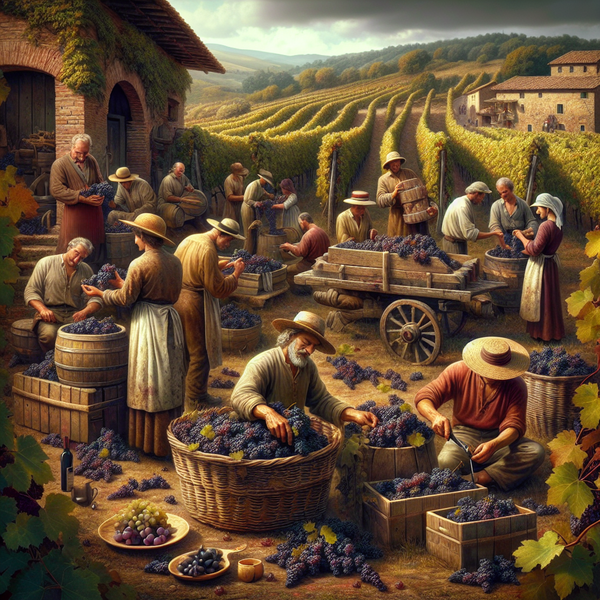
Season matters. Spring and early summer (April through June) are ideal for vegetable-forward dishes like stuffed artichokes and fava beans. Autumn brings grape harvest and olive pressing season—excellent for travelers eager to experience full-cycle Sicilian agriculture. Many agriturismi close briefly in winter for rest or renovation, so always check availability when planning.
Finally, don’t underestimate logistics: car rentals help reach rural estates, but schools near Palermo, Catania, or Taormina often include transfers if arranged in advance. Pack light, carry an appetite, and remember that in Sicily, learning to cook means learning to belong.
How to Choose the Right Sicilian Cooking Experience for You
The best place to learn Italian cooking in Sicily depends largely on your learning style and time. If you crave structure and technique, go for formal schools like Anna Tasca Lanza. For organic farm life and community spirit, Agriturismo Case Vecchie or Verdura Organic Farm will resonate deeply. Short-term travelers based in towns should explore classes in Palermo or Taormina that combine market tours with cooking sessions, ensuring you won’t miss the region’s vibrant food scenes.
If language immersion is a goal, choose bilingual programs but ask for ingredients lists written in Italian—it’s a surprisingly effective way to build vocabulary. And for travelers chasing privacy and customization, private chefs across the island also run bespoke sessions in villas or holiday rentals. Whatever your route, learning Italian cooking in Sicily isn’t a spectator sport; it’s an act of participation, flavor by flavor.
By the time you leave Sicily, you may not have mastered sfincione or perfected cassata, but you’ll carry a far deeper understanding of what “home cooking” truly means here—stories simmered in tomato sauce, lessons handed down, and a landscape that feeds both stomach and soul.