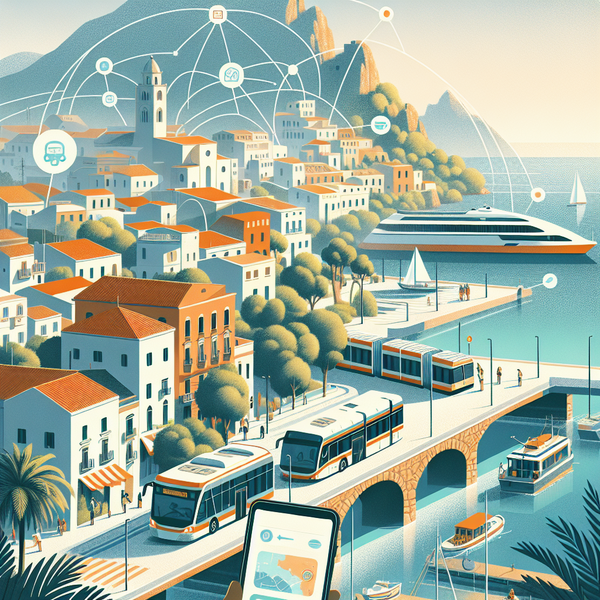
Sardinia often tempts travelers with visions of turquoise coves and mountain villages, yet its size—over 24,000 square kilometers—leads many to assume it’s only practical by car. That’s not true. With a little planning, you can confidently explore the island’s coastlines, archaeological sites, and markets using buses, regional trains, and even boats. I’ve lived and traveled across Sardinia relying on public transport for years, and what follows is exactly how you can do the same.
Go to the section
TogglePlanning Your Sardinian Itinerary Around Public Transport
Most visitors underestimate distances in Sardinia. A train from Cagliari to Olbia, for example, takes roughly 4 hours, crossing the island’s spine via Oristano and Ozieri-Chilivani. Understanding these travel times helps shape a realistic itinerary. If you group destinations by region—say, the south for beaches and the interior for hikes—you minimize transfers and wasted hours.
Sardinia’s public transport is coordinated under the company ARST (Azienda Regionale Sarda Trasporti), which runs both intercity buses and some local urban lines. Their website allows timetable downloads in English, and most rural bus stops display printed schedules. While ARST services connect even small villages such as Bosa or Lanusei, frequencies drop on Saturdays and Sundays, so it’s worth checking return times before you set out.
Using Sardinia’s Train Network Efficiently
Trenitalia operates two key lines: Cagliari–Olbia and Cagliari–Sassari via Oristano. Trains are clean, air-conditioned, and punctual by southern Italian standards. The main hubs—Cagliari, Oristano, Sassari, Ozieri-Chilivani, and Olbia—serve as your anchoring points. Expect regional trains rather than high-speed ones, meaning your journeys become part of the island experience.
Book tickets directly at station machines, via the Trenitalia app, or at tabacchi (tobacco shops) that display a “Trenitalia” sign. Tickets must be validated before boarding using the yellow punching machines. Regional fares remain affordable: the 150 km trip from Cagliari to Oristano costs about €9 in second class. Seats aren’t assigned, so sitting on the left side between Oristano and Macomer rewards you with rolling farmland views.
For more adventurous itineraries, don’t overlook the “Trenino Verde” (Little Green Train) tourist routes that run seasonally. These vintage trains climb slower tracks through forested hills and cork oak groves, such as the Mandas–Arbatax line. It’s a scenic but time-consuming option, ideal if you’re lingering several days in one area.
Mastering the Sardinian Bus System
ARST’s blue coaches reach every province, but, as a rule, you’ll need to plan each leg ahead rather than rely on show-up service. In Cagliari, for example, the ARST terminal near Piazza Matteotti connects to popular beaches like Chia and Villasimius. The Cagliari–Villasimius route runs roughly every two hours in summer, with the journey taking 90 minutes along coastal curves.
In the north, buses from Olbia terminal link Santa Teresa Gallura, Palau, and La Maddalena’s ferry dock. Sassari’s terminal, just opposite the train station, serves Alghero Airport and Bosa. Tickets can be purchased online on the ARST app or at newsstands. Always validate your ticket on board; random checks are routine, and on-the-spot fines can exceed €50.
If you plan to explore smaller inland towns, try to stay overnight in one hub (like Nuoro or Lanusei) instead of shuttling back to the coast nightly. This makes bus timetables work in your favor, letting you catch morning departures when they actually run. Remember: many local lines stop entirely on Sundays outside tourist hotspots.
Regional Ferries and Coastal Connections Without a Car
Sardinia’s long coastline means boats can double as transport, not just sightseeing. From Palau, passenger ferries reach La Maddalena every 30 minutes and cost less than €5 one way. You can explore the entire archipelago on foot or by e-bike once there. In the sultry south, ferries connect Cagliari’s Portus Karalis area to Carloforte (San Pietro Island) via Portovesme or Calasetta, taking just 30–40 minutes.
In summer, additional small-scale boat shuttles run between Golfo di Orosei beaches such as Cala Luna and Cala Goloritzé from Cala Gonone port. These motor launches operate like coastal buses—buy return tickets in the port kiosk early in the morning to guarantee seats, as they often sell out by 10 a.m. Expect prices around €35–40 for two-way rides, far cheaper than chartering.
Relying on ferries also allows a slower rhythm of travel: instead of driving along endless curves, you can watch limestone cliffs approaching from the sea. Just note that when winds exceed certain limits (maestrale), crossings can be suspended; check conditions by asking locals or checking harbor boards that morning.
Urban Mobility: Getting Around Cagliari, Sassari, and Olbia
Cities in Sardinia are surprisingly walkable, with compact centers built before cars arrived. In Cagliari, the orange CTM buses (different from ARST) cover the entire metropolitan area. Line PF connects the central Via Roma to Poetto Beach in 15–20 minutes, a must on hot afternoons. CTM also operates the airport bus shuttle from Piazza Matteotti, departing every 30 minutes and costing about €1.30 if purchased via the DropTicket app.
Sassari’s ATP network runs every 15 minutes on key lines, and the city even operates a one-line metro tram linking Santa Maria di Pisa district to the train station. In Olbia, ASPO buses connect the airport, harbor, and city center; Line 2 takes you from the airport arrivals area to Corso Umberto in about 10 minutes for €1.50. These small cities reward slow exploration: distances between major sites rarely exceed two kilometers.
Seasonal Transport Options for Beach Explorers
During peak season (typically June to early September), Sardinia’s municipalities finance special tourist shuttles called *navette mare*. These operate around famous beach concentrations such as the Golfo di Orosei, Costa Smeralda, and Villasimius coast. The Golfo Aranci circular shuttle, for instance, connects local beaches every 30 minutes, running from 9 a.m. to 8 p.m. Tickets can often be paid directly to the driver.
If you’re aiming for hidden coves, pair shuttle rides with short walks. For example, from the Cala Liberotto stop you can reach three beaches within 1 km on foot. Investing in a good sun hat and collapsible umbrella may sound trivial, but it enables you to make full use of these seasonal services without worrying about midday returns.
Combining Trains, Buses, and Boats Smoothly
Public transport in Sardinia works best when combined thoughtfully. For instance, you might take the train from Cagliari to Oristano, then continue by ARST bus to Cabras for the Tharros ruins and San Giovanni di Sinis beach. Or ride from Sassari to Palau by bus, and then cross to La Maddalena by ferry. Each connection adds a local rhythm to the trip, transforming transfers into chances to chat with Sardinians or linger at small cafes outside the stations.
To cope with timetable gaps, download two essential apps: *ARST BusFinder* for real-time bus tracking and *Trenitalia* for trains. Both allow e-ticketing, saving you from hunting for tabacchi shops in unfamiliar towns. Since cellular reception can drop in mountain areas, screenshot schedules before you lose signal.
Practical Tips for Visiting Sardinia Without a Car
- Pack light: Many rural stations lack elevators; a backpack is easier than a suitcase on hilly streets like Bosa’s.
- Carry cash: Smaller kiosks and rural drivers may not accept cards.
- Stay central: Lodging near main terminals in Cagliari or Sassari saves you early taxi fares for morning departures.
- Use local tourist offices: In towns like Dorgali or Bosa, they often print up-to-date ARST schedules, which is faster than refreshing slow websites.
Finally, remember that Sardinia’s relaxed tempo is its charm. Buses might leave five minutes earlier or later; ferries might adjust to winds. Embrace that flexibility, and you’ll find traveling without a car not only doable but deeply rewarding—a slower, more authentic way to understand this wild island.