When autumn begins to brush Italy’s landscapes with its warm palette, the country shifts into one of its most quietly spectacular seasons. Vineyards flame into russet reds, chestnut forests deepen into copper, and medieval hilltowns feel more authentic without summer’s crowds. For travelers who love slow drives, local harvest festivals, and countryside walks amid crimson vines, this is the moment to explore Italy beyond the classic postcard scenes.
Go to the section
ToggleVal d’Orcia in Tuscany: Vineyards, Golden Hills, and Quiet Roads
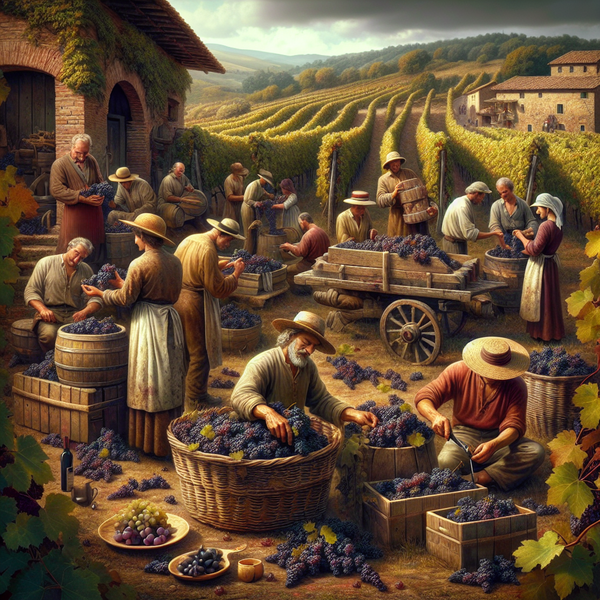
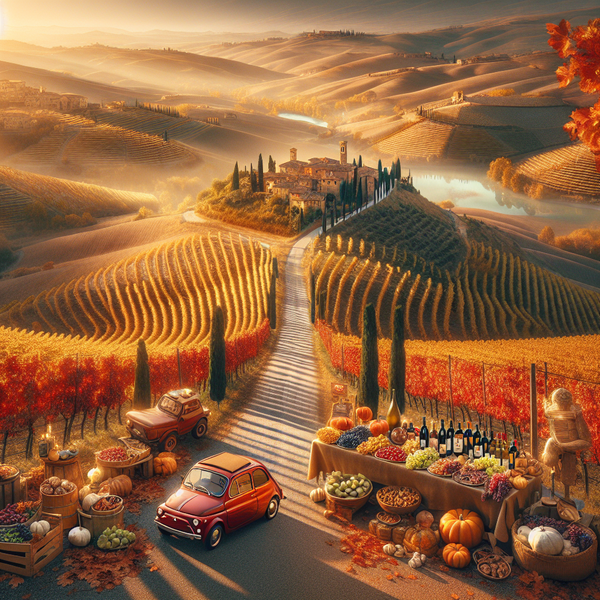
South of Siena, the Val d’Orcia captures everything the autumn traveler dreams of: undulating vineyards, cypress-lined ridges, and hill towns like Pienza and Montalcino ringed by chestnut groves. By late October, grape harvests in estates such as Avignonesi and Banfi have just finished, leaving the vines burnished orange and ochre. Regional roads SP146 and SP2 are ideal drives, offering safe pullouts where you can photograph Monte Amiata wearing its early snow cap. Local farms around San Quirico d’Orcia often host olio nuovo tastings—the season’s first green, peppery olive oil—usually from early November.
For walkers, the five-kilometer trail between Bagno Vignoni and Rocca d’Orcia follows the historic Via Francigena pilgrimage route and delivers sweeping views at every bend. Stay in restored farmhouses known as agriturismi; many still fire up their stone hearths in the evenings and serve seasonal ribollita soup with freshly pressed olive oil.
Langhe Hills in Piedmont: Nebbiolo Leaves and Truffle Season
Northwest Italy’s Langhe region becomes a mosaic of red, bronze, and gold by mid-October, just as Alba hosts its world-renowned Fiera Internazionale del Tartufo Bianco. The Nebbiolo vines that produce Barolo and Barbaresco wines are among the last to lose their foliage, turning deep garnet before falling. Roads connecting La Morra, Barolo, and Serralunga d’Alba give panoramic valley views where morning fog pools between the ridges—hence the name “Langhe,” from the local word for hills.
During the harvest season, winemakers in family-run cantine such as Vietti and Marchesi di Barolo open their cellars for informal tastings. Book ahead, as weekends fill with locals and connoisseurs scouting truffles. In October, the forested slopes near Montà d’Alba are dotted with licensed trifolao—truffle hunters—who work with their dogs at dawn, leaving faint boot marks along the chestnut trails.
Trentino and South Tyrol: Alpine Forests Glowing Above the Vineyards
Further north, Italy’s Trentino–Alto Adige region delivers the country’s most dramatic mountain foliage displays. The Dolomites near Ortisei and Val di Funes flush gold when the larch forests turn, usually around mid-October. The contrast between pale limestone peaks and amber valleys is striking from viewpoints like Seceda and Passo delle Erbe. Below, apple orchards around Merano finish their harvest, and every small village sets up wooden stands selling hot apple juice and strauben fritters dusted with sugar.
Local trains between Bolzano and Bressanone pass through ribbons of vineyards that shift shades daily—from chartreuse to tobacco-brown. The Törggelen season runs from late September through November, a beloved South Tyrolean tradition when farm taverns (Buschenschänke) open for roasted chestnuts and new wine. Order a plate of speck and Schlutzkrapfen (spinach-filled pasta) as you watch fog roll across the Adige Valley.
Umbria’s Forested Valleys and Olive Groves in Autumn Light
Often overlooked beside its Tuscan neighbor, Umbria deserves a top spot for Italian fall foliage. The wooded Monti Sibillini and the slopes near Spoleto host dense beech and hornbeam forests that glow amber through early November. Around Lake Trasimeno, morning mists drift over the water, and drives between Passignano, Tuoro, and Castiglione del Lago are especially stunning as the vines and willows mirror their color in the lake. The Frantoi Aperti event—held across towns like Trevi and Assisi—invites visitors to step inside working olive mills, taste new oil on bread, and join village feasts featuring lentil stew from Castelluccio and roasted pork sandwiches.
For hikers, the trail from Spoleto to the abandoned railway viaduct known as the Ponte delle Torri delivers sweeping views of the Valle Umbra carpeted with copper leaves. Umbrian autumn is quiet enough that you can still find village trattorie running off handwritten menus—many list hearty farro soup and truffle-tagliatelle that pair beautifully with Montefalco Sagrantino wines.
Lombardy’s Lake District: Reflections of Red and Gold
The calm waters of Lake Como and Lake Maggiore transform each October into reflective canvases framed by gold-tipped chestnut trees. The scenic Greenway del Lago di Como walking path, especially the stretch between Colonno and Griante, passes gardens laden with persimmons and ivy-covered villas. In Bellagio’s Villa Melzi gardens, Japanese maples flame scarlet against views of the Grigne mountains. Local ferries run reduced but regular schedules, allowing travelers to hop between villages without the summer crowds.
Around Lake Maggiore, the Borromean Islands quiet down yet remain open through November’s first week. On Isola Madre, the botanical garden bursts with camellias and cedar trees that glow under the low autumn light. Nearby in Val Vigezzo, nicknamed the “Valley of the Painters,” forest trails reward weekend wanderers with easy access from the scenic narrow-gauge train connecting Domodossola and Locarno.
Le Marche: Vine-Clad Hills and Harvest Festivals off the Tourist Trail
For travelers who prefer authenticity over grandeur, Le Marche provides an understated yet arresting autumn landscape. The rolling hills around Jesi, Cupramontana, and Matelica shimmer with vineyards producing Verdicchio wine, their leaves fading through lemon to rusty brown by late October. The grape harvest culminates in the Festa dell’Uva in Cupramontana, where barrels of young Verdicchio are opened alongside food stalls serving porchetta and roasted peanuts—an old harvest pairing locals swear by. From the Frasassi Caves to the high meadows of Monte San Vicino, scenic drives reveal forests of downy oak and maple with hardly a car in sight.
Walkers will enjoy the Benedictine path near Fabriano, which weaves between pastures and small hamlets where families dry walnuts on rooftops. Agriturismi here often include grape-skin spa treatments—a quirky but very regional post-harvest indulgence.
Veneto’s Wine Roads and the Dolomitic Edge
Veneto balances alpine color and wine-country charm. In the hills north of Treviso, the Prosecco Road (Strada del Prosecco) links the storybook towns of Valdobbiadene and Conegliano. Visit late October, when the Glera vines wrap the slopes in mellow gold, and the harvest is replaced by small cellar parties pouring the season’s base wine. Osterie along the route serve pumpkin risotto and chestnuts with local red Raboso—simple dishes that define Veneto’s fall palate.
Further north, the Belluno Dolomites ignite with color by the second week of October. The stretch between Agordo and Alleghe offers easily navigable byways with pullouts overlooking forests of larch that turn luminous around sunrise. The crisp mountain air often smells faintly of woodsmoke as locals stack logs for winter heating. For photographers, sunrise from Passo Duran delivers glowing peaks with valleys blanketed in morning mist—a distinctly Venetian alpine palette.
Abruzzo’s Majella and National Parks in Full Color
Central Italy’s Abruzzo region boasts some of the country’s best-preserved wilderness, and autumn brings it into focus. The Majella National Park and the valleys near Castel del Monte transform with copper alpine beech woods. Early October through early November is prime timing for spotting deer among the flaming foliage. The small town of Pescocostanzo, known for its lignite stone houses, stages its Mostra Micologica—a local mushroom fair where visitors can join guided forest walks to learn safe foraging.
The Gran Sasso range, visible from Campo Imperatore plateau, glows bronze at sunset, while shepherds guide flocks down from summer pastures. Many rural trattorie serve maccheroni alla chitarra with wild boar ragù—ideal sustenance after high-altitude hikes in crisp air. From Sulmona, rental cars allow quick access to winding roads that trace mountainsides aflame with larch and rowan trees.
Practical Tips for Planning an Italian Fall Foliage Trip
Timing and Routes
Because Italy runs the length of a continent, color peaks vary: late September in the Dolomites, mid-October in Tuscany and Piedmont, and early November in Umbria and the south. Renting a small manual car is easiest for countryside routes; look for “autunno” specials from local agencies in Siena, Bolzano, or Perugia. Always carry cash for smaller farm stays, which may not process cards outside major towns.
Local Etiquette and Weather Readiness
Autumn days remain comfortably mild—averaging 18°C in Tuscany and 12°C in Alto Adige—but evenings cool sharply. Italians switch to heavier jackets early, so carrying a fleece or light down coat is wise. Many vineyards and olive presses welcome drop-in visitors, yet calling or messaging ahead through WhatsApp ensures someone is available, especially during lunch hours (typically 13:00–15:30 when sites close). Farmers appreciate visitors respecting active harvest areas; walk only where indicated and ask before photographing workers.
Combining Foliage with Food Festivals
Italy’s harvest calendar is dense: grapes in September, truffles through November, and olives peaking in early winter. Pair destinations with their produce—Langhe for truffles, Umbria for olive oil, Le Marche for Verdicchio wine, and Trentino for chestnuts and apple cider. Even small towns post event flyers on pharmacy bulletin boards—a reliable source for last-minute festival finds if online listings lag behind.
Wherever the road leads, Italy’s autumn is less about checking sights off a list and more about noticing the quiet rhythm between seasons: farmers wrapping vines before frost, old men stirring chestnuts in copper pans, and hillsides slowly exchanging green for flame. If you travel with patience, you’ll experience the genuine countryside pulse that locals cherish and most tourists miss.