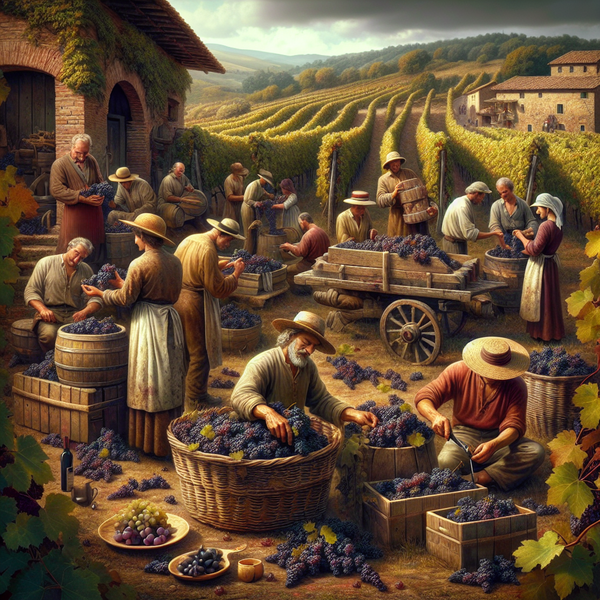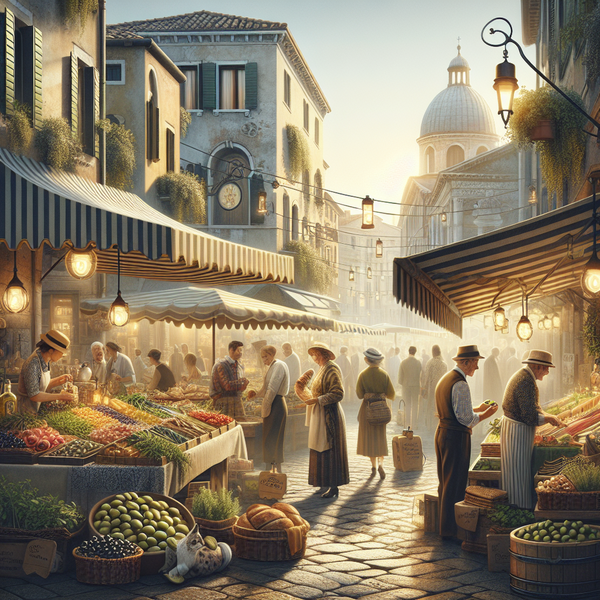
Italy’s markets are not tourist attractions invented for visitors—they are living, breathing spaces where locals buy produce, gossip, and test the year’s first olive oil. For travelers seeking authenticity, a morning spent at a traditional market reveals Italy’s regional differences more vividly than any museum. From Sicily’s Arabic-influenced souks to Piedmont’s truffle stalls, each region has its rhythm and aroma.
Go to the section
ToggleNorthern Italy: From Turin’s Porta Palazzo to Venice’s Rialto Market
Start in Turin, where the Mercato di Porta Palazzo near Piazza della Repubblica covers nearly 50,000 square meters—making it Europe’s largest open-air market. Vendors here open by 7 a.m., and the best hours for browsing seasonal produce and cheeses from the Langhe hills are before 10 a.m. The covered food pavilion is perfect for tasting aged Castelmagno DOP and tiny hazelnut pastries from local bakers.
Head east to Venice’s Rialto Market, which has been trading since the 11th century. You’ll find lagoon fish like sea bream and moleche (soft-shell crabs) sold at dawn to local chefs. Go early—by 8 a.m. the marble counters are alive with shouting and the scent of the Adriatic. For travelers, a quick stop at the small wine bar Al Mercà next to the market offers a glass of local Raboso and a cicchetto of salted cod spread.
In Bolzano, the Mercato di Piazza delle Erbe blends Italian and Austrian heritage. Sellers specialize in alpine herbs, speck, and apples from Val Venosta—Italy’s apple heartland. A tip: try the speck sandwiches freshly sliced by butchers who’ve been there for generations, or pick up herbal teas scented with mountain pine.
Central Italy: Florence’s Sant’Ambrogio and Rome’s Campo de’ Fiori
Central Italy’s markets offer a bridge between rustic inland traditions and coastal abundance. In Florence, skip the overtouristed Mercato Centrale and head instead to Mercato di Sant’Ambrogio in the Santa Croce quarter. It opens Monday to Saturday until around 1:30 p.m. Here, the atmosphere is local: you’ll find Florentine grandmothers testing tomatoes for sauce and fishmongers cleaning octopus. The indoor section’s butcher counter sells lampredotto—slow-cooked tripe—best eaten in a bread roll with spicy green sauce.
Rome’s Campo de’ Fiori may appear polished, but its vegetable vendors are fiercely local. Early in the morning (before 9 a.m.), the square still feels residential. Try to locate the stall selling puntarelle—Roman chicory shoots—served in season with anchovy dressing. For a more layered experience, explore Testaccio Market just across the Tiber. Each box-like stall reflects the city’s evolving food culture: you can buy fresh produce, sip espresso, and have your shoes resoled within ten steps.
In the hill towns of Umbria, especially at Mercato di Piazza Matteotti in Perugia, Fridays bring an array of cured meats and lentils from Castelluccio di Norcia. Local farmers still arrive in small vans from the Sibillini Mountains, and you can taste exceptionally earthy black truffles in season (October to February).
The Spark of the South: Naples’ Pignasecca and Bari’s Fish Market
Southern Italy’s markets are as much theater as commerce. In Naples, La Pignasecca—just steps from Montesanto station—feels like a film set come alive. The market begins at dawn and sells everything from lemon leaves for wrapping mozzarella to swordfish steaks still glistening from the Tyrrhenian Sea. A must-try street snack is the cuoppo, a paper cone of fried seafood you can eat while wandering narrow lanes filled with laundry and lively banter.
Across the Adriatic side, Bari’s Mercato del Pesce sits right on the old port’s quay. Fishermen open their wooden crates to display octopus, sea urchins, and cuttlefish caught that very night. Locals eat raw fish—drizzled with just a squeeze of lemon—around 8 a.m., especially on weekends. If raw seafood isn’t for you, buy a warm focaccia barese at Panificio Fiore a few steps away and watch the sunrise over the harbor.
In Calabria, the weekly Mercato di Soverato along Corso Umberto offers chili peppers in every form: dried, crushed, or blended into creams. Calabrian markets also specialize in ’nduja, the region’s spicy, spreadable salami. The vendors often give small samples on bread; it’s an authentic way to understand Southern fire beyond pizza toppings.
Sicily’s Arabic Echoes: Ballarò and Ortigia Market
Palermo’s Ballarò Market is a sensory overload—a legacy of Arab, Norman, and Spanish influences layered over centuries. It sprawls along Via Ballarò in the Albergheria quarter and is open every day except Sunday afternoon. Here you’ll hear dialect calls known as abbanniate, where sellers sing out their prices. Try a panelle sandwich (chickpea fritter) or a slice of sfincione, the thick Sicilian pizza topped with tomato, onion, and anchovy.
In Ortigia, Siracusa’s island heart, the market on Via de Benedictis gives a more coastal flavor. Fishermen lay out red prawns from Mazara del Vallo beside piles of sea urchins. Stands of citrus scent the entire street, especially in January when blood oranges arrive. At the north end, tiny eateries prepare spontaneous lunches from the day’s catch—no menu needed. A local favorite is a grilled tuna belly sandwich from Caseificio Borderi, usually served with a dramatic flourish by its cheerful owner.
Further inland, Catania’s La Pescheria operates just behind Piazza del Duomo, where volcanic black stone contrasts with heaps of silver sardines. The market, closed only on Sundays, sits adjacent to butcher and cheese stalls. Try salted ricotta from Mount Etna’s foothills or pistachios from nearby Bronte, roasted right on the street in small copper pans.
Sardinia and the Islands: Cagliari’s San Benedetto and Beyond
Cagliari’s Mercato di San Benedetto is both modern and deeply traditional. Housed in a 1950s building on Via Cocco Ortu, it’s one of Europe’s largest indoor fish markets. Locals crowd the fish stalls between 7 and 10 a.m., where swordfish, lobster, and mullet roe (bottarga) gleam under fluorescent lights. Upstairs, you can buy Pecorino Fiore Sardo aged for months in mountain caves, or artisanal honey flavored with strawberry tree blossoms. It’s worth chatting with vendors; many are happy to vacuum-seal cheese or salami for transport home.
For travelers heading north, the small Mercato Civico di Alghero specializes in seafood from the Coral Coast. Here, the specialty is sea urchin—ricci di mare—in season from December to April. Locals eat them raw on bread with a splash of local white wine. The market also sells Catalan-style sweets, reflecting Alghero’s linguistic ties to Spain.
Even on smaller islands like Elba, weekly markets such as the Mercato di Portoferraio on Via Carducci (Friday mornings) offer fragrant lemons, Tuscan honey, and handmade linen clothes produced by local artisans—not imported stock.
Hidden Treasures in Smaller Regions: Trentino to Basilicata
In Trentino, the Mercato di Trento each Thursday in Piazza Vittoria has alpine cheeses like Vezzena and farmhouse butter sold in thick yellow slabs. Many producers come from family dairies less than 30 kilometers away. You can even sample new-season polenta flour ground on stone mills near the Valle di Non.
In Le Marche, Mercato delle Erbe di Ancona provides a glimpse of an Adriatic port’s daily rhythm. Expect Adriatic anchovies, fresh herbs, and vincisgrassi pasta sheets ready to bake at home. One of the most atmospheric secrets in Ancona is the adjacent wine kiosk serving Verdicchio by the glass for under €2.
Down in Basilicata, Mercato di Matera near Via Ascanio Persio is where the region’s authenticity survives. Farmers bring crates of peperoni cruschi—sun-dried sweet peppers—to sell alongside regional breads like Pane di Matera DOP. Tastings usually happen spontaneously, and visitors are welcome to sample olive oil pressed at tiny local mills. This is one of the few spots where you can truly trace field-to-table within a single neighborhood.
Practical Tips for Visiting Italian Traditional Markets
- Timing: Most markets open early (around 7 a.m.) and close by 1 or 2 p.m. Mondays or Sundays are often rest days.
- Cash: Many smaller stalls do not accept cards. Bring coins and small bills for smooth transactions.
- Politeness: Do not touch produce unless invited. Point and let the vendor select your items.
- Seasons: Visit from May to October for vibrant fruit selections; winter markets highlight cured meats and cheeses.
Markets in Italy are about connection as much as commerce. Stop for a chat, learn a recipe, or simply watch local life unfold. Understanding these rhythms—not rushing through them—transforms a market visit into a cultural encounter that lingers long after the flight home.