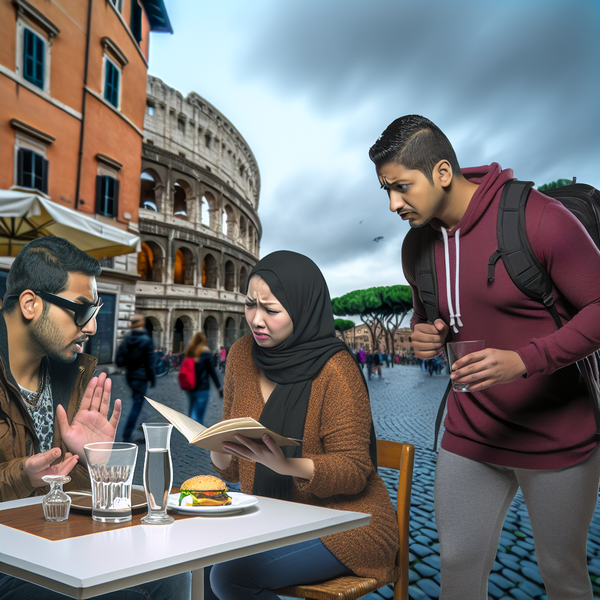
Italy is a timeless destination that offers vibrant cities, historic ruins, breathtaking coastlines, and mouthwatering cuisine. Whether you’re drawn to the art of Florence, the canals of Venice, the Colosseum of Rome, or the coastal charm of Cinque Terre, there’s no shortage of unforgettable experiences. However, as one of the most visited countries in the world, Italy is also home to a number of well-known tourist scams. Being aware of them can make your trip safer and far more enjoyable. This guide helps you navigate carefully through your adventure while soaking up La Dolce Vita without falling victim to common tourist traps.
Go to the section
ToggleWhat to see
Major destinations and common scams
Italy’s landmarks are irresistible, but tourists often become easy targets in crowded places. Here’s what to watch out for in high-traffic locations:
- Rome: Be cautious around the Colosseum and Trevi Fountain. Common scams include fake gladiators demanding money for photos and pickpockets blending into the crowd.
- Florence: Near the Duomo and Piazza della Signoria, you may encounter people offering “friendship bracelets” or small gifts, which later come with demands for payment.
- Venice: Watch for overpriced gondola rides with unclear pricing and unofficial water taxi services that charge exorbitant fees.
- Milan: Around the Cathedral and Galleria Vittorio Emanuele II, be alert to those who offer “free” tours or help with ticket machines at train stations — often followed by aggressive requests for tips.
Museum ticket scams
Italy’s museums and heritage sites are often crowded, especially during peak travel seasons. You might come across unauthorized scalpers selling general admission tickets at a mark-up. Always purchase online from the official websites or in person at the institution’s ticket office. Be cautious about third-party vendors promising “skip-the-line” access without proper credentials.
What to do
Avoid donation schemes and distraction tricks
Tourists are frequently targeted by scammers posing as fundraisers for fake charities, often using clipboards and pushing you to sign petitions — then requesting a donation. These distractions are also used by pickpockets working in pairs.
- Refuse politely and walk away.
- Secure your belongings, especially in train stations, markets, and on buses.
- Be suspicious of crowds that suddenly form around you — these can be staged to orchestrate thefts.
Watch out for rigged taxi meters and unofficial operators
Taxi scams are common in major Italian cities. Drivers may use tampered meters or take unnecessarily long routes.
- Use official taxis only — recognizable by their white color and a taxi sign.
- Ask for an estimated fare before getting in and insist on the meter being used.
- If arriving at an airport, use licensed services or book in advance via official apps or hotel recommendations.
Be alert when dining out or grabbing coffee
Some cafés and restaurants near tourist hubs have different pricing for locals and foreigners or add mysterious service charges.
- Check the menu before ordering and confirm whether there is a “coperto” (cover charge).
- Ask if prices differ for standing vs. sitting — this is especially true for coffee bars.
- To avoid surprises, consider dining a block or two away from major attractions where prices tend to be fairer.
Itineraries
Planning smart and safe routes
A well-planned itinerary isn’t just efficient — it can also reduce your exposure to scams. By thinking ahead, booking reputable options, and blending in, you’re less likely to be seen as an easy target.
- Rome to Florence: Travel using official high-speed trains. Book tickets through Trenitalia or Italo’s website instead of purchasing from resellers at the station.
- Florence to Venice: Use direct trains and verify platforms. Avoid engaging with anyone offering unsolicited help at ticket machines.
- Venice to Milan: Stick to booked transportation and beware of anyone offering private ‘discounted’ rides at the station.
When making intercity transfers, keep valuables in a cross-body bag and avoid placing bags on racks out of sight on trains. Consider traveling during daylight hours when trains are busier with regular commuters rather than opportunistic thieves.
Local tours and experiences
Book experiences — such as museum tours, food tastings, and guided walks — only with licensed providers. Look for signs of credibility such as online reviews, business registrations, or partnerships with tourism boards.
- Beware of “guides” offering services near attractions without wearing an ID badge.
- Avoid last-minute tours sold on the street, as these may be overpriced or simply non-existent.
- Use apps or services like GetYourGuide or Viator to vet legitimate local operators before booking.
Local cuisine
Staying scam-free when enjoying Italian food
Italian cuisine is one of the main reasons for visiting — but even here, a few things can go awry if you’re not careful.
- Menu swapping: In some tourist-heavy restaurants, the English menu carries inflated prices. Always ensure the menu you order from matches what you’re charged.
- Unexpected fees: Bread, water, or table service may carry extra costs. These should be clearly written on the menu; if not, question discrepancies before paying.
- Fish by weight: Certain restaurants sell seafood by weight rather than portion. Ask exactly how much you’re getting and the estimated total.
Tips for enjoying authentic street food
Street food in Italy offers great local flavors at reasonable prices. However, stick with vendors that display licenses and operate from clean, busy stalls.
- Try supplì and pizza al taglio in Rome, panelle in Palermo, or arancini in Sicily — just ensure it’s from a high-traffic, reputable stand.
- Always check the price per piece or per weight beforehand.
Budget tips
Spend smart and avoid money mishandling
Visitors often lose money through poor currency exchange practices or being overcharged. Here are ways to protect your travel budget:
- ATM caution: Use ATMs inside bank branches rather than those in tourist areas. Avoid using machines that appear tampered with or charge dynamic currency conversion fees.
- Exchange money wisely: Steer clear of airport exchange counters with high commission fees. Better convert currency from your home bank or use travel cards with minimal conversion charges.
- Be wary of counterfeit bills: Always count change and check notes, especially in street markets and taxi rides.
Use apps and cards safely
Technological tools can help you avoid scams, but only if used wisely.
- Download a reliable map app to avoid asking strangers for directions.
- Cashless cards with chip technology are your safest option, but enable alerts to monitor suspicious charges.
- Always log out of payment apps after use and avoid public Wi-Fi for financial transactions.
General rules to save money and dodge scams
- Buy museum or city passes like the Roma Pass or Firenze Card from official websites for transport and entry discounts.
- Cook occasionally or grab takeaway meals from local delis to save on dining.
- Avoid guided tours that seem suspiciously cheap — they might be scams or offer little value.
From accommodation to activities, taking the time to research each step gives you more confidence and control during your Italian journey.
Conclusion
Traveling through Italy is a rich and rewarding adventure, filled with history, culture, and culinary pleasures. But with its popularity comes a few pitfalls — especially for those who aren’t prepared. By staying attentive, doing a little research, and trusting your instincts, you can easily navigate around the scams and enjoy everything from the ruins of Pompeii to the vineyards of Tuscany. With the proper precautions, your Italian getaway will be memorable for all the right reasons. Keep your eyes open, your wallet secure, and embrace every moment of your holiday with confidence. Buon viaggio!